
 Weight loss is often treated as a math problem—eat less, burn more. While calorie balance matters, it is only one part of the picture. The quality of what you eat shapes how your body responds, how hungry you feel, and whether weight loss lasts, which is why guidance from the best weight loss center goes beyond numbers on a scale. Nutrition is not just about losing weight; it is the foundation for keeping it off. Sustainable weight loss is about working with the body, not fighting it. That starts with understanding how food affects appetite, metabolism, and daily habits.
Why “dieting” often fails
Many people lose weight quickly, only to regain it. This is not a lack of willpower. It is biology and behavior working against short-term plans. Extreme calorie cuts slow metabolism, increase hunger hormones, and reduce energy. Over time, the body pushes back. Nutrition-focused weight loss avoids this cycle. Instead of chasing fast results, it supports steady progress that the body can maintain. That means eating enough, choosing foods that satisfy, and building patterns that fit real life.
Calories matter, but food quality matters more.
Calories determine whether weight goes up or down. But not all calories affect the body the same way.
Highly processed foods digest quickly and often cause sharp blood sugar spikes. This can trigger hunger soon after eating, even if calorie intake is high. Whole foods digest more slowly and provide fiber, protein, and micronutrients that help regulate appetite.
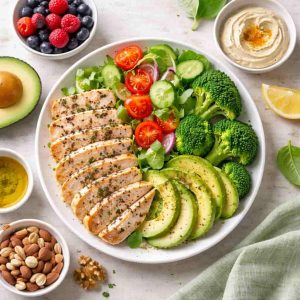
A meal of lean protein, vegetables, healthy fats, and whole grains will usually keep someone fuller longer than the same number of calories from refined carbs and added sugars. This makes it easier to stay consistent without feeling deprived.
Protein supports fat loss and muscle health.
Protein plays a central role in sustainable weight loss. It increases fullness, helps control appetite, and requires more energy to digest than fats or carbohydrates. It also protects muscle mass during weight loss. Preserving muscle matters. Muscle supports metabolism and strength, and losing too much can slow calorie burn over time. Including protein at each meal helps prevent this.
Good protein sources include eggs, fish, poultry, beans, lentils, tofu, Greek yogurt, and lean meats. The goal is not excess, but steady intake spread throughout the day.
Fiber helps control hunger naturally.
Fiber is often overlooked, yet it is one of the most powerful tools for weight control. It slows digestion, supports gut health, and helps regulate blood sugar. Many people fall short of their fiber intake because processed foods dominate their diet. Shifting even a few meals toward whole foods can make a noticeable difference.
Fats are not the enemy.
They also make meals more enjoyable, which supports long-term adherence. Cutting fat too aggressively can leave meals unsatisfying and increase cravings. Balance is key. Fat should complement meals, not dominate them.
Carbohydrates and energy balance
The issue is usually refinement and portion size, not carbohydrates themselves. Whole carbohydrates, such as oats, brown rice, potatoes, fruit, and legumes, provide energy along with fiber and nutrients. Refined carbs, especially when paired with added fats and sugars, are easier to overeat. Choosing carbs that match activity level and personal tolerance helps maintain energy while still supporting fat loss.
Nutrition shapes habits, not just meals
Sustainable weight loss depends on habits that can be repeated daily. Nutrition choices influence mood, energy, sleep, and stress levels. All of these affect eating behavior.
Skipping meals often leads to overeating later. Poor nutrition can increase fatigue, making movement less appealing. Blood sugar swings can drive emotional eating.
Eating regular, balanced meals supports stable energy and reduces decision fatigue. This makes it easier to maintain healthy routines over time.
Weight loss is not just physical.
Food choices are tied to culture, comfort, and routine. Sustainable nutrition respects this. It does not require perfection or constant restriction. It allows flexibility for social events and personal preferences.
A plan that excludes favorite foods rarely lasts. A plan that teaches moderation and awareness often does. Nutrition should fit into life, not take it over.
The long view matters most.
Sustainable weight loss is measured in months and years, not weeks. Nutrition provides the structure that makes this possible. It fuels the body, supports mental focus, and reduces the physical stress of fat loss.
Rather than asking how fast weight can be lost, a better question is how well a way of eating can be maintained. When nutrition supports health, satisfaction, and daily life, weight loss becomes a side effect of better habits rather than a constant struggle.
In the end, nutrition is not about control. It is about alignment. When food choices support the body’s needs, sustainable weight loss follows naturally.
 The Paleo diet is based on whole, unprocessed foods like lean meats, fish, nuts, fruits, and vegetables. These foods help regulate blood sugar levels and reduce inflammation, key factors in preventing obesity. By eliminating refined sugars and grains, Paleo eating stabilizes energy levels, keeping hunger at bay for longer.