



A healthy diet involves more than simply adding up calories. The body needs carbohydrates, proteins, fats, vitamins, minerals, fiber, and water to support energy production, tissue maintenance, immune function, and other biological processes.
Macronutrients Have Different Roles
See below:
Carbohydrates
Carbohydrates are an important source of energy. They are found in foods such as fruits, vegetables, grains, beans, and dairy products. Choosing fiber-rich carbohydrate sources can also support digestive health.
Protein
Protein provides amino acids needed to build and maintain muscles, enzymes, hormones, and other structures. Protein can come from fish, poultry, eggs, dairy products, beans, lentils, nuts, seeds, and other foods.
DietaryFats
Dietary fats also have important biological functions. They help form cell membranes and assist with the absorption of certain vitamins. Unsaturated fats, found in foods such as nuts, seeds, fish, and some plant oils, are generally emphasized in healthy dietary patterns.
Micronutrients Matter Too
Vitamins and minerals are needed in smaller amounts, but they are essential. Iron supports oxygen transport, calcium contributes to bones and teeth, and vitamin C supports several biological processes. Eating a wide variety of foods makes it easier to obtain different nutrients.
The Role of Highly Processed Foods
Not every processed food is unhealthy. Processing can include simple activities such as freezing, drying, or pasteurization. However, some highly processed foods contain large amounts of added sugars, sodium, or saturated fat while providing relatively little nutritional value.
The overall dietary pattern matters more than labeling individual foods as completely good or bad.
Building a Practical Plate
 A simple meal can include vegetables or fruit, a source of protein, a whole-grain or other carbohydrate source, and a suitable amount of healthy fat. Portion needs vary according to age, activity level, health status, and individual circumstances.
Hydration is another important part of nutrition. Water is essential for temperature regulation, circulation, digestion, and many cellular processes.
Conclusion
Healthy eating is about supplying the body with a broad range of nutrients rather than following a single restrictive rule. Variety, balance, and sustainable habits are useful foundations for long-term nutrition.
 Seasonal foods provide freshness, taste, and a variety of nutritional benefits, which combine well with the principle of eating paleo. The farmers’ market is an excellent place where one can access lots of fresh fruit and vegetables during the summer season. The use of seasonal produce on a frequent basis will make dinner time more enjoyable and at the same time help in making the diet healthier. It is essential to learn how to utilize summer produce when making healthy paleo recipes.
 Natural foods digest more slowly compared to highly processed foods. The slow digestion of food helps in maintaining the glucose levels in the body throughout the whole day. A stable energy supply can decrease tiredness in the afternoon.







 A bright, healthy smile isn’t only about brushing and flossing. Your daily diet greatly influences the strength and resilience of your teeth. Food fuels your body, but it also affects your enamel, gums, and overall oral health.
  Sugar and artificial substances abound in packaged goods that boast “low-fat” or “diet-friendly” labels. Cravings and a halt to fat reduction could result from these. Whole, unprocessed food is a great pick.
 A dietitian may assist you develop a sustainable eating plan and offer individualized nutrition recommendations. Regular physical activity helps you to maintain good eating habits since it enhances both your physical and mental state.
 Emphasize especially fruits, vegetables, legumes, and whole grains. These supply antioxidants, fiber, and vital minerals.
 Building muscle doesn’t need to rely on synthetic enhancers or fad supplements. Many people achieve impressive results by focusing on the right foods and supplements. Key nutrients and balanced meals lay the foundation for sustainable gains, while smart, safe supplementation helps reach muscle growth goals faster and safely.
 Greek Meze








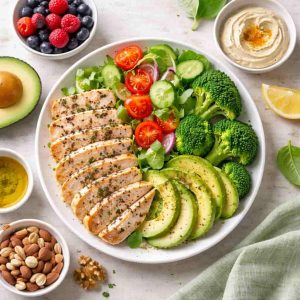 Weight loss is often treated as a math problem—eat less, burn more. While calorie balance matters, it is only one part of the picture. The quality of what you eat shapes how your body responds, how hungry you feel, and whether weight loss lasts, which is why guidance from the best weight loss center goes beyond numbers on a scale. Nutrition is not just about losing weight; it is the foundation for keeping it off. Sustainable weight loss is about working with the body, not fighting it. That starts with understanding how food affects appetite, metabolism, and daily habits.
 A good question to ask yourself before consuming something is “Do I feel really hungry?” or “Do I just crave for something?”. This helps you tell the difference between eating out of feeling and being physically hungry.
 Dental care has evolved beyond fillings and cleanings. Patients now expect dentists to guide them on how diet impacts oral health. This shift pushes dental practices to offer nutrition counseling alongside traditional services. For those looking to buy a dental practice, understanding this trend is key to success. Nutrition-focused care not only improves patient outcomes but also boosts practice value. How can buyers assess and grow these services? And what role do acquisition experts play in this process?
 The Paleo diet is based on whole, unprocessed foods like lean meats, fish, nuts, fruits, and vegetables. These foods help regulate blood sugar levels and reduce inflammation, key factors in preventing obesity. By eliminating refined sugars and grains, Paleo eating stabilizes energy levels, keeping hunger at bay for longer.
 Did you know that what you eat directly affects your brain and body performance? Research has consistently shown that a balanced diet plays a pivotal role in boosting mental clarity, emotional well-being, and physical performance. For men, who often face unique health challenges, nutrition is a key factor in maintaining optimal strength—mentally and physically.
 A balanced diet does more than nourish the body; it can also provide essential support for brain health. Nootropics—also known as brain boosters—offer powerful benefits when combined with a nutrient-dense diet. From enhancing focus and memory to promoting mental clarity, nootropics can amplify the brain’s performance naturally. Incorporating foods like green tea, dark chocolate, and omega-3s can significantly boost your cognitive wellness.