
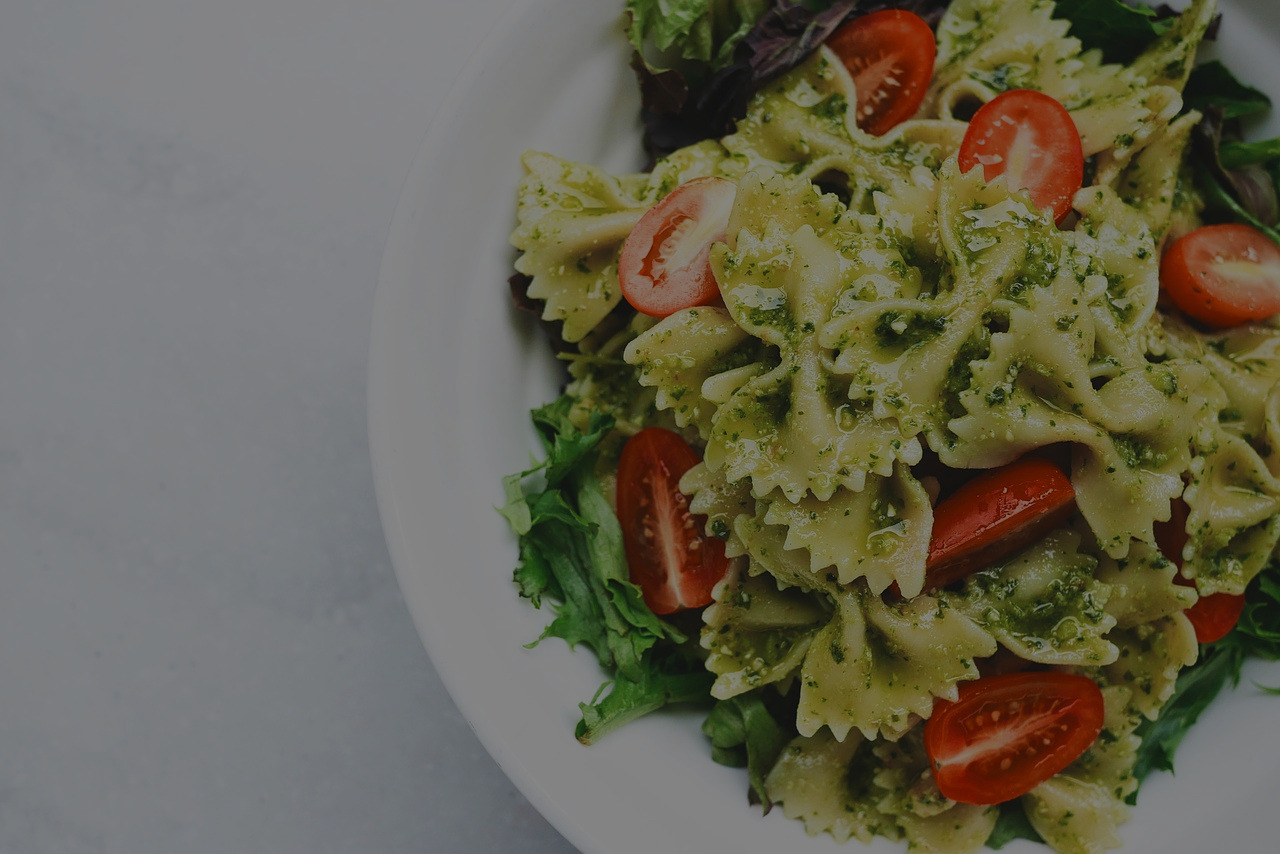
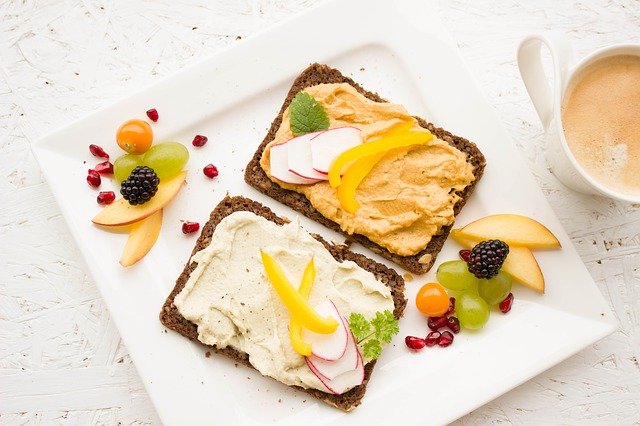

The paleo approach to eating emphasizes foods such as vegetables, fruits, eggs, fish, meat, nuts, and seeds while generally limiting grains, legumes, dairy products, and highly processed foods. Many people are interested in this style of eating because it encourages home cooking and greater attention to ingredients. However, a healthy eating pattern depends on nutritional balance rather than following a label perfectly.
What Goes Into a Paleo-Inspired Meal?
Vegetables can form the foundation of many meals. Leafy greens, broccoli, carrots, squash, and other colorful produce provide fiber and a variety of vitamins and minerals. Fresh or frozen vegetables can both be practical options, depending on availability, cost, and personal preference.
Protein sources may include eggs, fish, poultry, and lean meats. Nuts and seeds can contribute healthy fats, protein, and minerals. Fruits provide natural sweetness and useful nutrients, making them a convenient addition to breakfast, snacks, or desserts.
Simple Ideas for Everyday Cooking
Prepare a Vegetable-Rich Breakfast
Scrambled eggs with spinach, tomatoes, and mushrooms offer a simple breakfast option. Fruit can be served alongside the meal for added variety. Preparing washed vegetables ahead of time may make busy mornings easier.
Build a Satisfying Lunch
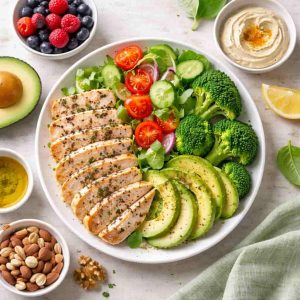
A bowl containing roasted vegetables, grilled chicken, and avocado can combine protein, fiber, and fat. Herbs, garlic, citrus juice, and other seasonings add flavor without relying on heavily processed sauces. Adjust portions according to appetite, activity level, and individual nutritional needs.
Choose Snacks With Variety
Apple slices with nut butter, boiled eggs, or a small serving of nuts can be convenient choices. People with nut allergies should select safe alternatives, and portion sizes should reflect personal needs rather than rigid diet rules.
Are Paleo Diets Right for Everyone?
Not necessarily. Excluding entire food groups may make it more difficult to obtain certain nutrients, including calcium and vitamin D when dairy products or fortified alternatives are removed. Whole grains and legumes also provide valuable fiber, vitamins, minerals, and plant-based protein.
People considering a restrictive eating pattern should think about their medical history, budget, food preferences, and long-term sustainability. Those who are pregnant, breastfeeding, managing chronic conditions, or recovering from an eating disorder may benefit from individualized advice from a qualified healthcare professional or registered dietitian.
Make Whole-Food Cooking Practical
Planning several meals around shared ingredients can reduce food waste and grocery expenses. Cooking vegetables and proteins in batches may also save time during the week. Frozen produce, seasonal ingredients, and simple recipes can make nutritious meals more accessible.
Conclusion
Paleo-inspired cooking can encourage people to prepare meals with minimally processed ingredients, but no single diet is ideal for everyone. Focus on variety, adequate nutrition, enjoyable meals, and sustainable habits when deciding which eating pattern best supports your health.
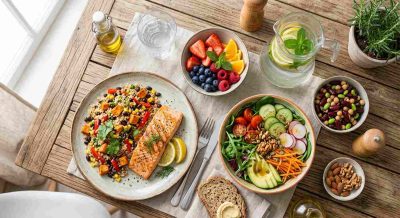 A simple meal can include vegetables or fruit, a source of protein, a whole-grain or other carbohydrate source, and a suitable amount of healthy fat. Portion needs vary according to age, activity level, health status, and individual circumstances.
 Seasonal foods provide freshness, taste, and a variety of nutritional benefits, which combine well with the principle of eating paleo. The farmers’ market is an excellent place where one can access lots of fresh fruit and vegetables during the summer season. The use of seasonal produce on a frequent basis will make dinner time more enjoyable and at the same time help in making the diet healthier. It is essential to learn how to utilize summer produce when making healthy paleo recipes.
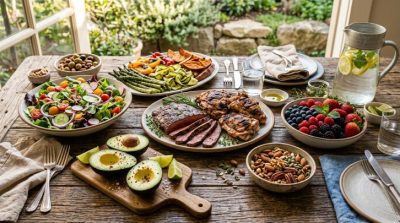 Natural foods digest more slowly compared to highly processed foods. The slow digestion of food helps in maintaining the glucose levels in the body throughout the whole day. A stable energy supply can decrease tiredness in the afternoon.




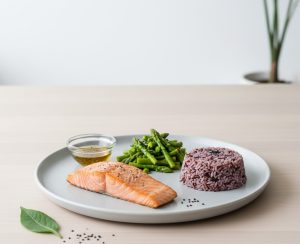


 A bright, healthy smile isn’t only about brushing and flossing. Your daily diet greatly influences the strength and resilience of your teeth. Food fuels your body, but it also affects your enamel, gums, and overall oral health.
  Sugar and artificial substances abound in packaged goods that boast “low-fat” or “diet-friendly” labels. Cravings and a halt to fat reduction could result from these. Whole, unprocessed food is a great pick.
 A dietitian may assist you develop a sustainable eating plan and offer individualized nutrition recommendations. Regular physical activity helps you to maintain good eating habits since it enhances both your physical and mental state.
 Emphasize especially fruits, vegetables, legumes, and whole grains. These supply antioxidants, fiber, and vital minerals.
 Building muscle doesn’t need to rely on synthetic enhancers or fad supplements. Many people achieve impressive results by focusing on the right foods and supplements. Key nutrients and balanced meals lay the foundation for sustainable gains, while smart, safe supplementation helps reach muscle growth goals faster and safely.
 Greek Meze
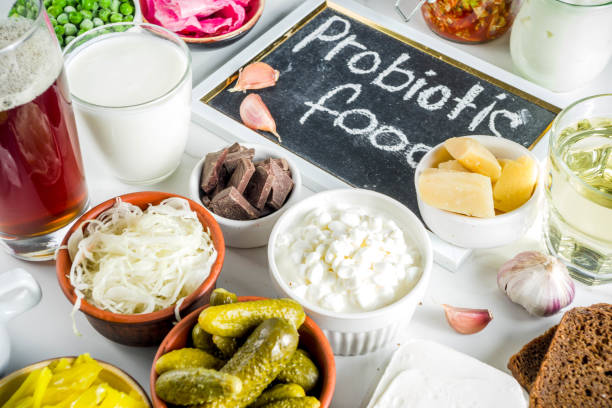
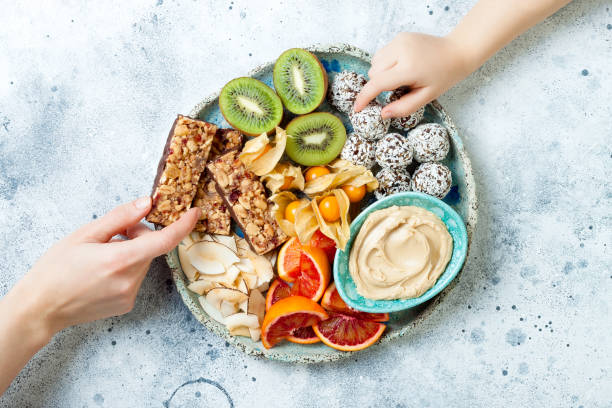

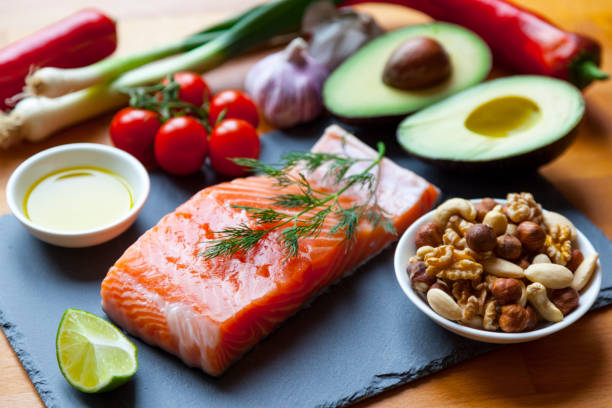




 Weight loss is often treated as a math problem—eat less, burn more. While calorie balance matters, it is only one part of the picture. The quality of what you eat shapes how your body responds, how hungry you feel, and whether weight loss lasts, which is why guidance from the best weight loss center goes beyond numbers on a scale. Nutrition is not just about losing weight; it is the foundation for keeping it off. Sustainable weight loss is about working with the body, not fighting it. That starts with understanding how food affects appetite, metabolism, and daily habits.
 A good question to ask yourself before consuming something is “Do I feel really hungry?” or “Do I just crave for something?”. This helps you tell the difference between eating out of feeling and being physically hungry.
 Dental care has evolved beyond fillings and cleanings. Patients now expect dentists to guide them on how diet impacts oral health. This shift pushes dental practices to offer nutrition counseling alongside traditional services. For those looking to buy a dental practice, understanding this trend is key to success. Nutrition-focused care not only improves patient outcomes but also boosts practice value. How can buyers assess and grow these services? And what role do acquisition experts play in this process?
 The Paleo diet is based on whole, unprocessed foods like lean meats, fish, nuts, fruits, and vegetables. These foods help regulate blood sugar levels and reduce inflammation, key factors in preventing obesity. By eliminating refined sugars and grains, Paleo eating stabilizes energy levels, keeping hunger at bay for longer.
 Did you know that what you eat directly affects your brain and body performance? Research has consistently shown that a balanced diet plays a pivotal role in boosting mental clarity, emotional well-being, and physical performance. For men, who often face unique health challenges, nutrition is a key factor in maintaining optimal strength—mentally and physically.
 A balanced diet does more than nourish the body; it can also provide essential support for brain health. Nootropics—also known as brain boosters—offer powerful benefits when combined with a nutrient-dense diet. From enhancing focus and memory to promoting mental clarity, nootropics can amplify the brain’s performance naturally. Incorporating foods like green tea, dark chocolate, and omega-3s can significantly boost your cognitive wellness.